Plumbing and Heating for Ewing Township Homes
Ewing, NJ grew from a ring of small hamlets — Birmingham, Carleton, Cross Keys, Greensburg — into one of Trenton’s first true suburbs, its streetcar-era neighborhoods filling in along the city line decades before the postwar boom built out the rest of the township. Roughly one in five Ewing homes predates 1940, and the township’s housing centers on the late-1950s-to-early-1960s — which means the pipes, water heaters, and heating plants inside those walls have been working for a long time.
JP Plumbing and Heating LLC serves all of Ewing Township with our full range of plumbing services from our headquarters in neighboring Lawrence Township. We’re family-owned, led by NJ Master Plumber Pedro Tavares (License #36BI01389800), fluent in English, Portuguese, and Spanish, and rated 5.0 across our Google reviews.
Plumbing Services in Ewing, NJ
A home’s plumbing is two parallel networks: pressurized supply lines bringing clean water in, and gravity-fed drain lines carrying wastewater out. In Ewing, both networks often run on materials installed generations ago — galvanized steel supply lines and cast-iron stacks in the pre-war streets near the Trenton line, aging early copper in the postwar tracts, and first-generation water heaters and heating plants throughout. When these systems start to fail, homeowners notice the same signals: low water pressure, pinhole leaks, rusty or discolored hot water, a water heater that runs loud or short-cycles, and drains that keep slowing down.
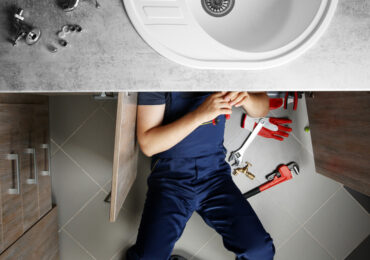
JP Plumbing and Heating handles the full range of residential plumbing work Ewing homeowners need — burst pipe repair, whole-home repiping, water heater replacement and tankless conversion, oil-to-gas conversion, water filtration and softeners, drain cleaning, sewer camera inspection, and trenchless sewer repair.
About Ewing, NJ
Ewing Township sits on the Delaware River in Mercer County, bordered by Trenton to the south, Hopewell Township to the north, and Lawrence Township to the east. Incorporated in 1834 as farmland dotted with hamlets — Birmingham (now West Trenton), Carleton (now Ewing), Cross Keys (now Ewingville), and Greensburg (now Wilburtha) — it became one of Trenton’s earliest suburbs when trains and streetcars let city workers settle across the line, then filled out rapidly around World War II and the decades after. Today it’s a settled, largely built-out community of roughly 35,600, home to The College of New Jersey, the New Jersey State Police headquarters, and Trenton–Mercer Airport, with a commercial spine along Olden Avenue originally built to connect North Trenton to the former General Motors plant. Most of its housing still runs on interior systems from its construction era — original supply piping, first-generation heating plants, and water heaters installed decades ago.
JP Plumbing and Heating serves Ewing from its Lawrence Township headquarters minutes away via Interstate 295 or North Olden Avenue.
Why Plumbing Problems Are Common in Ewing Homes
Housing stock era and pipe materials
About one in five Ewing homes predates 1940, with the township’s housing overall centering on the late 1950s and early 1960s. That distribution maps directly onto pipe materials: galvanized supply lines and cast-iron drain stacks in the streetcar-era neighborhoods near Trenton and West Trenton’s older blocks, and early copper through the postwar tracts — Braeburn Heights, Glendale, Fleetwood Village, Parkway Village, Wilburtha’s 1950s streets. Galvanized corrodes shut on a decades-long schedule; early copper pinholes as it ages; cast iron scales and deteriorates from the inside. These failures run on age, not accident — which is why the same symptoms recur street by street in same-era neighborhoods, and why repiping and pressure complaints cluster in the township’s oldest sections.
Water utility and water chemistry
Most of Ewing is served by Trenton Water Works, which supplies Delaware River-sourced water to Trenton and portions of Ewing, Hamilton, Lawrence, and Hopewell Townships — one of the oldest public water systems in the country, now under direct NJ DEP operational oversight. The system’s condition is a live civic issue: following the DEP’s January 2025 assessment, the mayors of all five served municipalities — Ewing’s included — jointly called for a new independent public utility, and Ewing’s mayor has since written to the Governor supporting a regional water authority. Inside Ewing itself, TWW replaced water main on North Olden Avenue after repeated breaks and has installed flushing assemblies on dead-end streets to clear aged water from the distribution system. TWW water is required to meet New Jersey Safe Drinking Water Act standards; the homeowner consequence of system age is equipment-side — sediment accumulating in water heater tanks, scale on elements, and the value of verifying, by address, which infrastructure your service line connects to.
Heating fuel history
Ewing’s postwar housing went up at the historical peak of American oil heat — fuel oil warmed 32 percent of U.S. homes in 1960, after rising every decade since 1940. Natural gas mains arrived as the township built out, and today gas service is available township-wide, but the legacy remains: basement and buried oil tanks, aging oil-fired boilers, and conversion candidates on street after street of 1950s and 1960s housing.
Neighborhoods We Serve in Ewing
JP Plumbing and Heating serves all of Ewing Township, including:
- West Trenton — twins and singles built from the early 1900s through the 1950s around the historic Trenton Junction; the township’s northwest anchor, home to Trenton–Mercer Airport.
- Prospect Heights, Prospect Park, and Weber Park — Ewing’s original streetcar suburbs along the Trenton line, with the township’s oldest housing and original interior plumbing materials.
- Braeburn Heights, Glendale, and Fleetwood Village — postwar neighborhoods in the township’s core, largely early-copper era.
- Parkway Village and Hillwood Manor — mid-century tracts where first-generation heating plants and water heaters are cycling through replacement.
- Wilburtha — the old Greensburg village by the Delaware and canal, with 1950s streets and a smaller 1980s wave.
- Ewingville and Shabakunk Hills — the township’s northeast, toward the Lawrence Township line — the closest Ewing streets to our shop.
Ewing Permits and Plumbing Work
Plumbing work in Ewing Township is regulated under New Jersey’s Uniform Construction Code through the township’s construction and code compliance office. Interior work triggers permits more often than homeowners expect: water heater replacement, boiler changeouts, and repiping all fall under the plumbing subcode, along with underground water and sewer service work. Emergency repairs aren’t exempt — urgent work done first still requires a prompt permit filing afterward. As a licensed NJ Master Plumber, Pedro Tavares handles Ewing permit applications and inspection scheduling as part of the job.
Sources & Local Data
- Ewing Township housing stock age and era distribution, American Community Survey 5-year estimates — U.S. Census Bureau via Census Reporter
- Township confirmation that most Ewing residents receive water from Trenton Water Works, with a running log of TWW developments — Ewing Township, Public Utilities
- State operational oversight of Trenton Water Works — NJ Department of Environmental Protection
- North Olden Avenue water main replacement in Ewing Township, prompted by repeated main breaks — Trenton Water Works
- Joint statement of the five TWW-serviced municipalities’ mayors calling for a new public utility, January 27, 2025 — City of Trenton
- TWW Lead Service Line Replacement Program — inventory lookup, self-survey tool, phase progress, and free replacement of lead and galvanized lines toward the 2031 state deadline — twwleadprogram.com
- Ewing lead service count at program inventory (5,236) and per-municipality breakdown — Community News / Ewing Observer
- Historical U.S. house heating fuel shares, 1940–2000 (fuel oil’s rise to its 32% peak in 1960) — U.S. Census Bureau, Historical Census of Housing Tables: House Heating Fuel
FAQs About Ewing Plumbing
Do I need a permit to replace a water heater in Ewing?
Generally yes — water heater replacement falls under the plumbing subcode of New Jersey's Uniform Construction Code, permitted through Ewing Township's construction office. We handle the permit and inspection as part of the installation.
Which water utility serves Ewing, NJ?
Most of Ewing receives water from Trenton Water Works, per the township itself. Service is determined address by address, and we confirm the serving utility as part of any water heater, filtration, or softener recommendation.
Is the Trenton Water Works situation a reason to install filtration?
Not by itself. TWW water is required to meet New Jersey Safe Drinking Water Act standards, and filtration decisions should follow from what's in your water at your address — hardness, sediment, taste, or specific concerns. We test first and recommend equipment second.
Will Trenton Water Works replace my lead or galvanized service line in Ewing?
Yes — and you generally shouldn't pay a plumber to do it. Under New Jersey's 2021 law, every lead and galvanized service line in the state must be replaced by 2031, and TWW's Lead Service Line Replacement Program replaces both the utility-owned and homeowner-owned portions at no cost to property owners. Ewing had roughly 5,200 lead services when the program's inventory was taken, and the program's current phase is actively working in Ewing now, with contractors going door-to-door to sign customers up. You can check what TWW has on record for your address — and upload photos of your own line — at twwleadprogram.com. Where the program stops is where our work begins: galvanized supply piping inside the house (the utility replaces the line to your meter, not beyond it), lead solder on pre-1986 copper, filtration certified for lead reduction while your street waits its phase, and flushing sediment from lines, aerators, and water heaters after a replacement stirs up the system.
Why do older Ewing homes have low water pressure?
Usually the pipes, not the utility. Homes built before roughly 1950 — common in Prospect Heights, Prospect Park, Weber Park, and West Trenton — were plumbed with galvanized steel, which corrodes shut internally over decades. Repiping restores full flow; we can confirm the material with a quick inspection.
Is oil-to-gas conversion worth it in an older Ewing home?
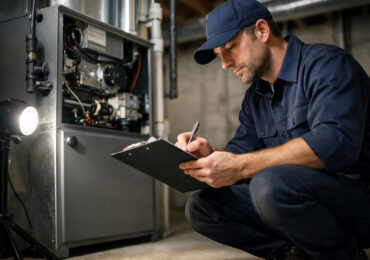
Often, yes. Many of Ewing's 1950s and 1960s homes were built with oil heat and still run oil-fired boilers with a basement or buried tank. Converting to gas eliminates tank risk and fuel deliveries and typically improves efficiency — we evaluate the specific house, tank, and gas service before recommending it.
Do you handle plumbing emergencies in Ewing?
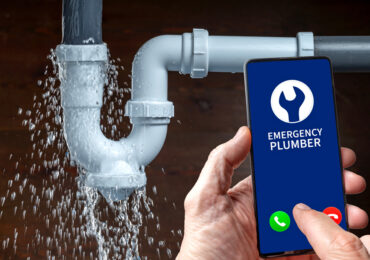
Yes. A plumbing problem is an emergency when water is actively entering the home, wastewater is backing up into living space, you can't use or shut off your water, or you can smell gas or sewer gas. If any of those is true: shut off water at the main if you can, then call (973) 932-2368. During our business hours — Monday through Friday 7 AM to 7 PM, Saturday until 2 PM — emergency calls jump the day's schedule.
How fast can a plumber reach my Ewing home?
We dispatch every job from Lawrence Township, directly next door — minutes from any Ewing address via I-295 or North Olden Avenue.
Mercer County, NJ Plumbing Services for Ewing Residents
If you’re in Ewing, your nearest full-service plumber is closer than you think — JP Plumbing and Heating LLC is headquartered in Lawrence Township, directly across the township line, and every job we run across Mercer County dispatches from there each morning. Our trucks leave stocked to repair, replace, or install on the first visit — water heaters and tankless conversions, whole-home repiping, filtration and softener systems, drain cleaning, and the everyday repairs Ewing’s older homes need — and when a problem runs past the foundation, we handle that too, with sewer camera inspection and trenchless repair. Every project runs under the license and personal oversight of NJ Master Plumber Pedro Tavares, the same standard behind our 5.0-star reputation across Mercer County.
Your Nearby Service Location Mercer County / Lawrence Township, NJ — headquarters at 151 Gainsboro Rd, minutes from Ewing via I-295 or North Olden Avenue. Hours: Monday–Friday 7 AM–7 PM · Saturday 7 AM–2 PM · Sunday closed
Serving Ewing homeowners with same-day priority during business hours — call (973) 932-2368.
Get In Touch
Our Testimonials

J Silva

Robin Vultaggio

Gerald Kramer

Jose Fernandez

Proven Contracting